In today’s fast-paced design and construction industry, visualizing a project before it is built has become more important than ever. This is where architectural rendering studios come in. These studios specialize in creating 3D interior and exterior renderings that help architects, designers, and clients see their projects in a realistic, lifelike form. From residential buildings to commercial complexes, rendering studios play a crucial role in bridging the gap between imagination and reality.
In this article, we will explore everything you need to know about what architectural rendering studios do, the types of renderings they offer, and how their services can benefit projects of any scale.
What Are Architectural Rendering Studios?
An architectural rendering studio is a professional firm that creates visual representations of buildings and spaces using advanced 3D software. Unlike traditional blueprints or CAD drawings, 3D renderings provide a photorealistic view of a project, allowing clients to understand the look, feel, and spatial arrangement of a design before construction begins.
These studios are equipped with skilled designers, 3D artists, and animators who use software such as 3ds Max, SketchUp, Revit, Blender, and V-Ray to transform architectural plans into realistic images and animations. Their work allows for better communication between architects, clients, and construction teams, ensuring the final result aligns with the original vision.
3D Exterior Rendering: Bringing Buildings to Life
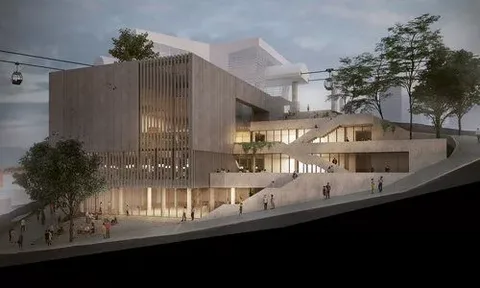
3D exterior rendering is one of the most sought-after services offered by architectural rendering studios. These renderings showcase the outside of a building, including its façade, landscaping, lighting, and surrounding environment. By creating a lifelike visualization, exterior renderings help clients understand how a building will look in its real-world context.
For example, an architectural rendering studio working on a new residential complex can show how sunlight will hit the structure at different times of the day, how shadows fall, and how the building fits within its neighborhood. This level of detail is particularly useful for real estate developers, city planners, and architects who need to present designs for approvals or marketing purposes.
Moreover, exterior renderings can highlight materials, textures, and colors, giving clients the ability to make informed decisions about finishes before construction starts. The photorealistic quality of these images often makes them a vital tool for winning approvals and attracting potential buyers.
3D Interior Rendering: Visualizing Spaces Inside
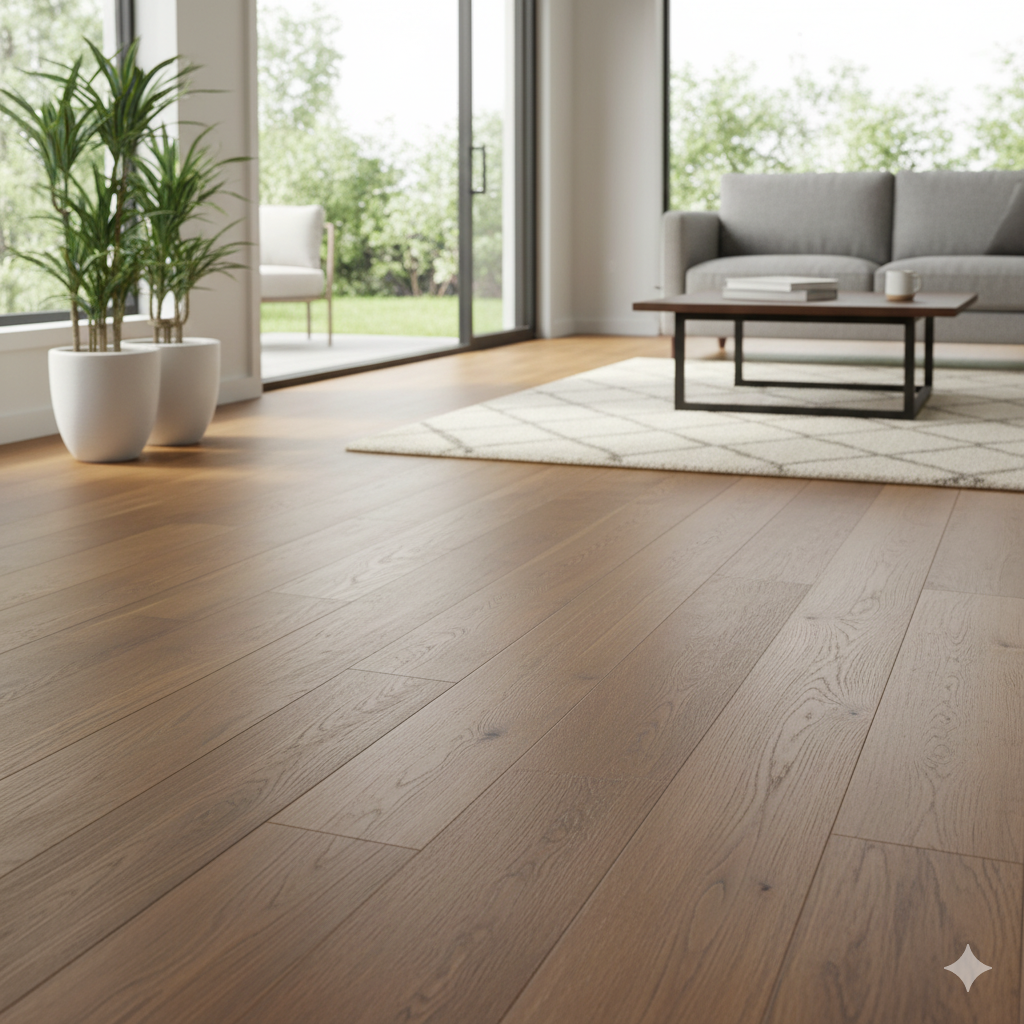
While exterior renderings focus on the outside, 3D interior rendering brings the inside of a building to life. Interior renderings allow clients to explore rooms, furniture arrangements, lighting, and décor in a way that traditional sketches cannot achieve. These visualizations help designers communicate their ideas more effectively and give clients confidence in the final design.
Architectural rendering studios use 3D interior renderings to show how spaces will feel once completed. This can include the layout of a living room, the placement of kitchen cabinets, or the lighting scheme in an office space. By simulating real-life materials and textures, these renderings help clients see exactly how their project will look, from wall finishes to furniture styles.
Interior renderings also serve as a practical tool for design revisions. Clients can request changes in materials, colors, or layouts before construction begins, saving both time and money. Additionally, these renderings are essential for marketing purposes, as they can be used in brochures, websites, and social media to showcase the project to potential buyers or investors.
How Architectural Rendering Studios Work
The process of creating 3D renderings involves multiple stages, each requiring expertise and attention to detail. Typically, architectural rendering studios begin with an initial consultation to understand the client’s vision and project requirements. This includes reviewing architectural plans, photographs, and any reference materials provided.
Once the concept is clear, the studio’s team creates a 3D model of the project using specialized software. This model serves as the foundation for the rendering. After modeling, the team adds textures, materials, lighting, and environmental details to make the scene as realistic as possible. Finally, the studio produces high-resolution images or animations that present the project in photorealistic detail.
Throughout this process, collaboration between the client and the rendering studio is crucial. Feedback is incorporated at various stages to ensure the final rendering accurately reflects the client’s vision. The result is a highly detailed visualization that can be used for presentations, marketing, or construction planning.
Benefits of Hiring Architectural Rendering Studios
Working with a professional architectural rendering studio offers numerous advantages. First and foremost, it allows clients to see a realistic representation of their project before it is built. This reduces the risk of costly mistakes during construction and ensures the final design meets expectations.
Renderings also enhance communication between architects, designers, and clients. Visual representations make it easier to convey complex design concepts and ideas, reducing misunderstandings and improving decision-making. For real estate projects, photorealistic images are powerful marketing tools that can attract potential buyers or investors even before construction begins.
Furthermore, architectural rendering studios stay updated with the latest technology and trends in 3D visualization. This includes incorporating real-time rendering, virtual reality, and AI-assisted design tools, which provide clients with interactive and immersive experiences.
Trends in 3D Rendering
The field of architectural rendering is continuously evolving. Modern studios are increasingly using virtual reality (VR) to allow clients to “walk through” their designs before construction. This immersive experience gives a better understanding of space, scale, and design choices.
Artificial intelligence (AI) is also playing a role in improving rendering efficiency. AI-assisted tools can enhance textures, lighting, and materials automatically, reducing production time without compromising quality. Real-time rendering is another trend, enabling clients to see immediate changes as they adjust layouts, colors, or materials.
Sustainable design visualization is becoming more important as well. Architectural rendering studios are helping clients visualize green building designs, energy-efficient materials, and eco-friendly landscaping, aligning modern architecture with environmental responsibility.
Choosing the Right Architectural Rendering Studio
Selecting the right studio is essential to achieving high-quality renderings. Clients should look for a studio with a strong portfolio, demonstrating experience in the type of project they are working on. Expertise in 3D modeling, interior and exterior visualization, and photorealistic rendering is key.
Communication and workflow are equally important. A good studio will provide regular updates, incorporate client feedback, and ensure deadlines are met. Price should also be considered, but it should not compromise quality. By choosing a reliable and experienced architectural rendering studio, clients can ensure that their project vision is accurately translated into stunning 3D visuals.
Conclusion
Architectural rendering studios are essential in modern architecture and design. By offering high-quality 3D interior and exterior renderings, they allow clients to visualize their projects, make informed design decisions, and communicate ideas effectively. From realistic exterior images to immersive interior walkthroughs, these studios provide a bridge between imagination and reality.
Whether you are an architect, designer, or property developer, investing in professional rendering services can save time, reduce costs, and improve project outcomes. The future of architectural design is visual, and architectural rendering studios are at the forefront of turning concepts into reality.