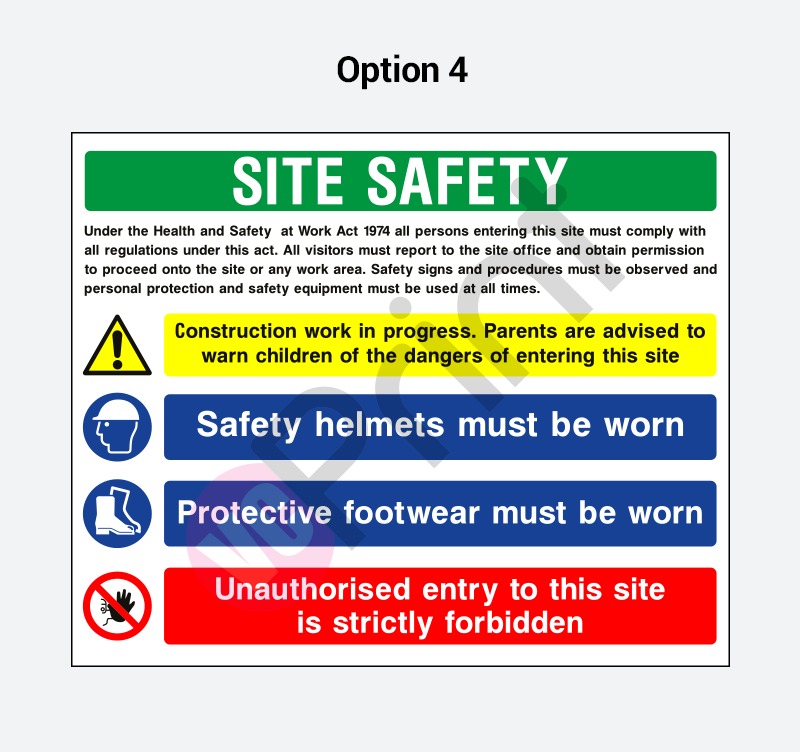
Small construction sites are often seen as low-risk, but that assumption can be misleading. Even compact sites contain “micro-hazards”, subtle dangers that can lead to accidents if overlooked. A stray cable, temporary scaffolding, or cluttered storage can quickly turn routine work into a safety incident. Installing the right signage is more than a legal requirement; it keeps operations running smoothly, reassures workers, and protects your reputation. A modest investment in signage can prevent costly delays or insurance claims, making it a smart choice for any small UK site.
Hidden Risks on Small Sites: Why They’re Often Overlooked
Limited space on smaller sites often leads to shared access points, cramped storage, and temporary work zones. Short-term workers, delivery personnel, and visitors may be unfamiliar with the site, increasing the likelihood of incidents. Minor hazards: low ceilings, uneven floors, temporary electrical setups may seem insignificant but can cause slips, trips, or minor injuries.
Even small incidents can disrupt schedules. A simple trip or cut might halt work for hours, frustrate the workforce, and delay client deadlines. Installing construction site safety signs draws attention to these micro-hazards and guides everyone safely.
Common Small-Site Incidents by Type
| Incident Type | Frequency (per month) |
| Trips & Falls | 5–8 |
| Minor Cuts & Burns | 3–5 |
| Chemical Spills | 0–2 |
| Electrical Hazards | 1–3 |
Disclaimer: Statistics are illustrative and do not represent official data.
Even minor hazards are frequent enough to justify proper signage on every site, no matter how small.

Compliance Doesn’t Scale Down: Legal Obligations
Some small site operators assume that regulations only apply to large-scale projects. In fact, UK HSE rules and BS EN ISO 7010 standards cover every site. Missing mandatory signage may result in fines, insurance complications, or even temporary work stoppages.
Certain signs are legally required, while others are recommended as best practice. Using both ensures complete protection for workers and smoother operations.
Safety Sign Requirements for Small Sites
| Sign Type | Legal Requirement | Practical Benefit |
| PPE Required | Yes | Prevents head, eye, and foot injuries |
| Fire Exit | Yes | Ensures safe evacuation |
| Trip Hazard | Recommended | Reduces minor injuries and work stoppages |
| Chemical Area | Recommended | Protects temporary staff and visitors |
Combining mandatory and recommended construction signs creates a safer and more predictable environment, even for small teams or temporary projects.
Tangible Benefits for Small Site Operations
Installing the right signage delivers real benefits that go beyond compliance. Clear, visible signs help prevent accidents, maintain workflow, and reinforce a professional site image.
Some key advantages include:
- Reduced downtime: Proper signage helps workers navigate hazards, meaning fewer interruptions. A trip or injury can halt work for hours, but a visible reminder reduces these risks.
- Improved productivity: Workers are more confident when they know where hazards lie and what protective equipment to wear. Clear signs eliminate guesswork and allow the team to focus on tasks efficiently.
- Insurance advantages: Sites demonstrating lower risk through visible signage may benefit from reduced premiums. Even minor investments in signage can lead to measurable savings.
- Professionalism and client confidence: Clients notice organised, well-signposted sites. Safety signage signals competence and care, helping build trust.
- Positive safety culture: Repeated exposure to hazard and PPE reminders encourages safe habits. Workers internalise safety behaviours, reducing the likelihood of accidents over time.
Each of these benefits shows that signage isn’t just a legal formality, it actively supports smoother, safer site operations.
Choosing the Right Safety Signs for Small UK Sites
Choosing appropriate signage requires careful consideration to ensure effectiveness without cluttering the site.
- Material: Durable signs, including weatherproof, reflective, and anti-graffiti options, ensure visibility over time.
- Location: Signs should be placed at entrances, hazard points, and temporary risk zones. This prevents accidental exposure to dangers.
- Clarity and simplicity: Avoid excessive signage that can confuse workers. Fewer, strategically placed signs are more effective.
- Workforce diversity: Multi-lingual or icon-based signs accommodate diverse teams and reduce misunderstandings.
Sign Selection Steps for Small Sites:
- Identify hazards temporary and permanent.
- Decide which signs are mandatory and which are recommended.
- Choose materials suitable for the UK weather and site conditions.
- Place signs strategically to maximise visibility without overcrowding.
- Review and update signs regularly, especially after site layout changes.
Following these steps ensures construction signs work efficiently, protecting staff and visitors without overwhelming the workspace.

Signage for Temporary Hazards and Short-Term Projects
- Adapt to site changes: Small sites often have shifting layouts, new equipment, or temporary tasks that introduce new hazards.
- Portable signage: Use removable or freestanding signs that can be moved as risks change.
- Floor markings and boards: Clear floor tape or hazard boards guide workers safely around short-term dangers.
- Quick hazard communication: Temporary signs immediately alert workers and visitors to risks such as chemicals, wet surfaces, or electrical work.
- Maintain safety standards: Even short-term signage prevents accidents and ensures compliance with UK HSE regulations.
Example Scenarios on Small Sites
Even hypothetical scenarios highlight the value of signage:
- On a small residential project, clear PPE signs remind workers to wear helmets and eye protection, reducing minor cuts and bumps.
- Temporary chemical storage areas benefit from hazard signs, preventing accidental exposure by unfamiliar staff or visitors.
These examples show that a few well-placed construction site safety signs can significantly improve safety and workflow. Even on small sites, effective signage helps prevent accidents, guides workers, and keeps operations running smoothly.
Maintenance & Audit: Keep Signs Effective
Signs lose effectiveness if neglected. Small sites often overlook maintenance, leaving dirty, faded, or damaged signs unnoticed. Regular upkeep ensures continuous protection and compliance.
Key maintenance points:
- Regular cleaning: Prevents dirt or graffiti from obscuring messages.
- Prompt replacement: Repair or replace damaged or faded signs immediately.
- Visibility checks: Reassess placement after any site layout changes.
- Regular review: Confirm signs remain appropriate as tasks and hazards evolve.
Consistent attention keeps construction signs functional and ensures all workers and visitors understand the hazards present.
Conclusion
Small construction sites are not exempt from hazards, and investing in proper signage offers protection that goes far beyond legal compliance. Clear, durable, and strategically placed construction signs reduce accidents, maintain productivity, and reinforce a culture of safety. For small UK projects, this investment is affordable and impactful, safeguarding both staff and clients while demonstrating professionalism. At VC Print, we provide tailored safety signage designed to meet the unique needs of small sites, helping your operations run smoothly while keeping everyone safe.