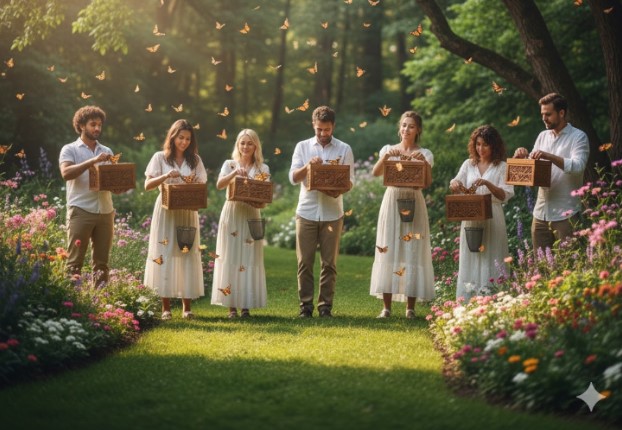
Releasing butterflies can be a meaningful, educational, and environmentally supportive activity when done correctly. Whether you are planning to release them after raising caterpillars, during a classroom project, or at a special event, it is crucial to understand how to release butterflies in a way that prioritizes their safety and natural behavior. This guide provides well-researched, fact-based steps to ensure a responsible and successful butterfly release.
Choose the Right Species for Your Region
Not all butterflies thrive in all climates. Releasing non-native species can disrupt ecosystems, spread disease, or displace local butterfly populations. In North America, the most commonly raised and released species is the Monarch butterfly (Danaus plexippus). Painted Ladies (Vanessa cardui) are also widely used because they adapt easily to many environments.
Always source butterflies from reputable breeders who follow ethical rearing practices and adhere to regional guidelines. Avoid transporting butterflies across state or country lines unless regulations explicitly allow it.
Timing Your Butterfly Release
Temperature and weather conditions play a major role in determining the right time to release butterflies. Most butterfly species need a minimum temperature of 60°F (15°C) to fly comfortably, though 70°F (21°C) or warmer is ideal.
Best conditions include:
- Clear or partly sunny skies
- Low wind
- Dry weather
- Warm temperatures
Releasing butterflies during early to mid-morning gives them time to warm up, find nectar sources, and adjust before nightfall.
Prepare the Butterflies for Release
If butterflies are emerging from chrysalises, give them adequate time to expand and dry their wings. Most species need two to four hours after emergence before they are ready to fly. Attempting to release them prematurely can cause wing damage or reduce their survival likelihood.
If your butterflies were shipped to you:
- Keep the container at room temperature.
- Allow them to acclimate before opening.
- Avoid refrigeration or extreme temperatures unless directed by a breeder.
Proper acclimation helps ensure strong flight once they are released.
Select a Suitable Release Location
When learning how to release butterflies safely, choosing the right location is key. Ideal sites include:
- Gardens with blooming nectar flowers
- Outdoor areas protected from strong winds
- Spaces with minimal human or animal traffic
- Locations free from pesticides or herbicides
Nectar-rich flowers such as zinnias, lantanas, asters, butterfly bushes, and milkweed provide immediate food sources for newly released butterflies.
How to Release Butterflies Step by Step?
- Gently bring the container outdoors and allow the butterflies a few minutes to adjust to the outside temperature.
- Hold the container level and stable to prevent injury.
- Open the container slowly, giving butterflies a chance to leave on their own.
- If a butterfly hesitates, place your hand near the opening and allow it to climb onto your finger before taking flight. Never force or shake them out.
- Observe quietly from a distance while they fly away and settle on nearby flowers or plants.
Allowing them to exit naturally reduces stress and encourages healthy flight behavior.
Post-Release Considerations
After releasing your butterflies, consider planting nectar flowers or milkweed (for Monarchs) to support local populations. Creating a butterfly-friendly habitat helps sustain them long after the release and contributes to conservation efforts.
Conclusion
Knowing how to release butterflies responsibly ensures that the insects transition naturally into the environment and continue their essential roles in pollination and ecosystem balance. If you are ready to plan your own event, it is essential to research where to get butterflies for a butterfly release. By understanding species needs, selecting ethical sources, preparing proper conditions, and choosing safe locations, beginners can enjoy a successful and meaningful butterfly release.