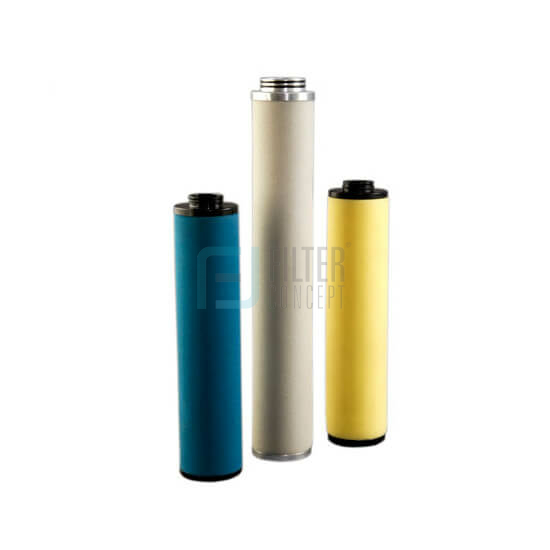
Compressed air is often called the fourth utility in industrial environments, alongside electricity, water, and gas. From manufacturing units and automotive workshops to pharmaceutical plants and food processing facilities, compressed air powers countless operations. However, the quality of compressed air is just as important as its availability. This is where a Compressed Air Filter plays a critical role.
Without proper filtration, compressed air can carry contaminants such as dust, oil, moisture, and microorganisms. These impurities can damage equipment, reduce efficiency, compromise product quality, and increase maintenance costs. In this blog, we will explore what a compressed air filter is, how it works, its types, applications, benefits, and how to choose the right one for your system.
What Is a Compressed Air Filter?
A Compressed Air Filter is a specialized device installed in a compressed air system to remove unwanted contaminants from the air before it reaches tools, machinery, or end-use applications. These contaminants typically include solid particles, water droplets, oil aerosols, oil vapors, and odors.
Compressed air filters ensure that the air delivered is clean, dry, and suitable for the intended application. Depending on the level of filtration required, different types of filters are used at various stages of the compressed air system.
Why Is a Compressed Air Filter Important?
Many industries underestimate the importance of clean compressed air. However, even small amounts of contamination can lead to serious problems over time.
Here’s why a compressed air filter is essential:
-
Prevents damage to pneumatic tools and machinery
-
Improves product quality and consistency
-
Reduces downtime and maintenance costs
-
Increases system efficiency and energy savings
-
Protects sensitive processes and instruments
-
Extends the lifespan of compressors and equipment
In industries like food, beverage, pharmaceutical, and electronics manufacturing, poor air quality can lead to contamination and compliance issues. A reliable compressed air filter helps meet strict quality and safety standards.
Common Contaminants in Compressed Air
Before understanding how filters work, it’s important to know what they remove. Typical compressed air contaminants include:
1. Solid Particles
Dust, rust, dirt, and pipe scale enter the system through ambient air or corroded pipelines.
2. Moisture
Water vapor condenses as air cools, leading to corrosion, microbial growth, and equipment failure.
3. Oil Aerosols
Lubricated compressors release oil particles that can contaminate air lines.
4. Oil Vapors
These are gaseous hydrocarbons that require specialized filtration.
5. Microorganisms
Bacteria and microbes can grow in moist air systems if not properly filtered.
A high-quality compressed air filter targets one or more of these contaminants depending on its design.
How Does a Compressed Air Filter Work?
A compressed air filter works by forcing air through a filtration medium that traps or separates contaminants. The basic filtration process includes:
-
Air Intake – Contaminated compressed air enters the filter housing.
-
Separation – Larger particles and liquid droplets are separated using centrifugal force.
-
Filtration – Fine particles, oil aerosols, or vapors are captured by the filter element.
-
Drainage – Collected liquids are drained automatically or manually.
-
Clean Air Output – Filtered air exits the system for safe use.
Different filter types use different media such as microfiber, activated carbon, or coalescing materials.
Types of Compressed Air Filters
Choosing the correct compressed air filter depends on the level of air purity required. Below are the most commonly used types:
1. Particulate Filters
These filters remove solid particles such as dust, rust, and dirt. They are typically the first stage of filtration.
Best for: General industrial use, tool protection
2. Coalescing Filters
Coalescing compressed air filters remove fine oil aerosols and water droplets by merging small particles into larger ones that can be drained.
Best for: Pneumatic equipment, painting applications
3. Activated Carbon Filters
These filters remove oil vapors, odors, and hydrocarbons using activated carbon media.
Best for: Food processing, pharmaceuticals, breathing air
4. High-Efficiency Filters
Designed for ultra-clean air requirements, these filters remove extremely fine particles and microorganisms.
Best for: Electronics, medical, and cleanroom environments
5. Sterile Air Filters
Used where absolute air purity is required, especially in sterile manufacturing processes.
Best for: Pharmaceuticals, biotechnology
Applications of Compressed Air Filters
A compressed air filter is used across a wide range of industries and applications:
-
Manufacturing and automation systems
-
Automotive workshops and paint booths
-
Food and beverage processing plants
-
Pharmaceutical and healthcare facilities
-
Textile and packaging industries
-
Electronics and semiconductor manufacturing
-
Chemical processing units
Each application has unique air quality requirements, making proper filter selection critical.
Benefits of Using a Compressed Air Filter
Installing the right compressed air filter delivers long-term operational and financial benefits.
Improved Equipment Performance
Clean air reduces wear and tear on valves, cylinders, and tools.
Lower Maintenance Costs
Fewer breakdowns and less frequent repairs save time and money.
Better Product Quality
Eliminates contamination risks in sensitive manufacturing processes.
Energy Efficiency
Clean systems operate more efficiently, reducing pressure drops and energy consumption.
Regulatory Compliance
Helps meet ISO air quality standards and industry regulations.
How to Choose the Right Compressed Air Filter
Selecting the right compressed air filter involves several key considerations:
1. Air Quality Requirements
Determine the level of purity needed for your application.
2. Flow Rate
Ensure the filter can handle your system’s airflow without pressure loss.
3. Operating Pressure and Temperature
Choose a filter designed for your system’s working conditions.
4. Type of Contaminants
Identify whether you need to remove particles, oil, moisture, or vapors.
5. Maintenance Requirements
Consider filter element life, replacement cost, and ease of maintenance.
Consulting an air quality specialist can help you choose the most suitable compressed air filter for your setup.
Maintenance Tips for Compressed Air Filters
Proper maintenance ensures consistent performance and long service life.
-
Inspect filters regularly for pressure drop
-
Replace filter elements as recommended
-
Drain collected moisture frequently
-
Monitor air quality at critical points
-
Use genuine replacement parts
Neglecting maintenance can reduce filtration efficiency and increase operational costs.
Final Thoughts
A Compressed Air Filter is not just an accessory—it is an essential component of any compressed air system. Clean, contaminant-free air protects equipment, improves efficiency, and ensures consistent output quality across industries. Whether you operate a small workshop or a large industrial plant, investing in the right compressed air filter can significantly enhance performance and reliability.
By understanding filter types, applications, and maintenance requirements, you can make informed decisions that deliver long-term value. Clean air is not a luxury—it’s a necessity for modern industrial operations.