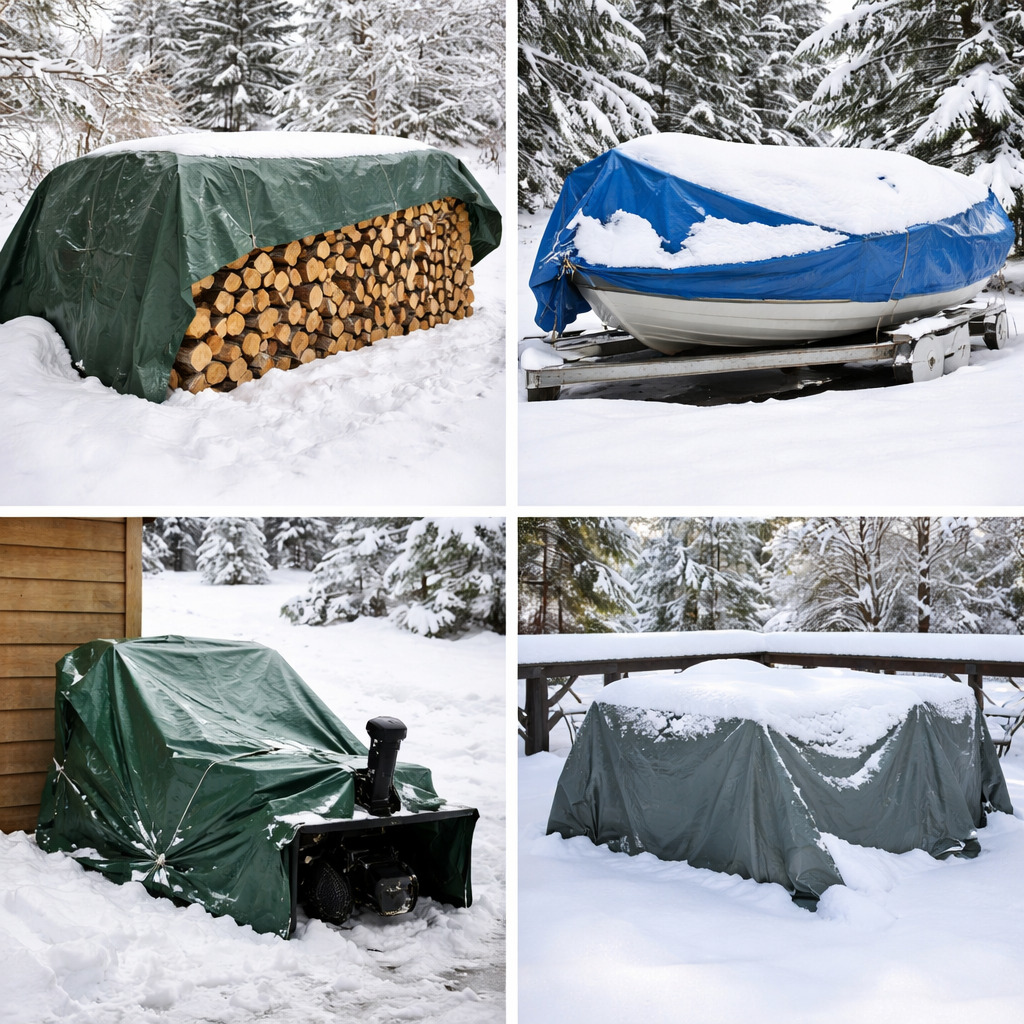
Tarpaulins are durable, waterproof sheets designed to shield against rain, sun, wind, or other elements. They’re incredibly versatile and can be used for camping, building shelters, or covering outdoor belongings. However, the key to maximizing their utility and durability lies in securing them properly with knots or fasteners. When correctly tied down, a Tarpaulin will last longer and remain reliable even in challenging conditions. This guide introduces some of the best knots and fasteners for effectively anchoring tarpaulins.
Why Proper Securing is Essential
Ensuring your tarp stays securely in place is crucial. A poorly tied tarp can flap, come loose, or tear apart, potentially leaving your belongings exposed to the elements. Using sturdy knots or reliable fasteners keeps the tarp steady and helps you easily set it up or take it down when necessary. The method you choose depends on how long the tarp needs to stay up, the prevailing weather conditions, and your intended use.
Simple Knots for Beginners
Not everyone is familiar with complex knots, and that’s okay. There are a few simple options that anyone can learn.
- The Overhand Knot: Arguably the easiest knot, it’s similar to making the first loop of a shoelace knot. While it’s not very strong, it serves well to keep a rope from slipping through a tarp grommet.
- The Half Hitch: This straightforward knot involves looping the rope around an object (like a pole) and tucking it back onto itself. It is perfect for holding a tarp in place temporarily or in mild conditions.
Stronger Knots for Greater Security
For situations requiring more durability, stronger knots offer better grip and resilience under tension.
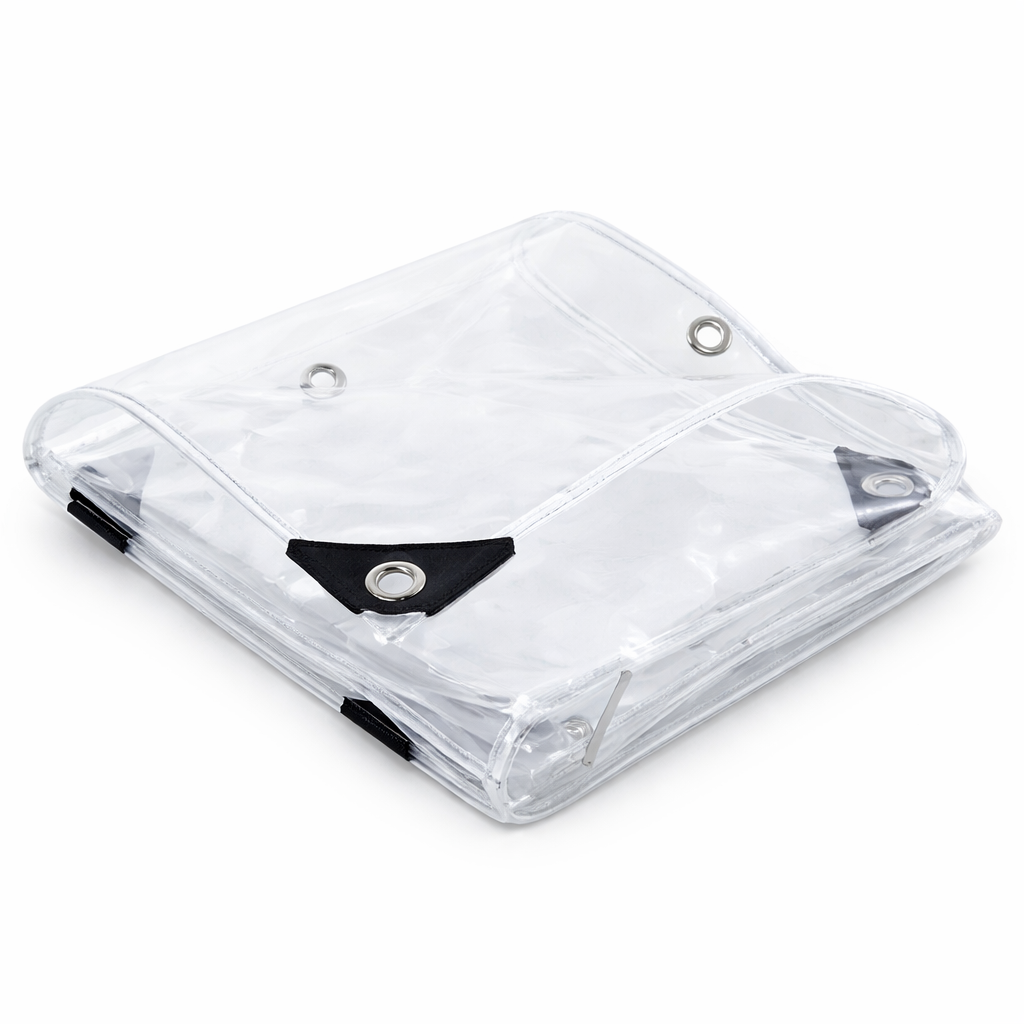
- The Taut-Line Hitch: Widely regarded as an essential camping knot, this adjustable loop allows you to modify the tension without untying the knot. It’s a great option when you need the Clear Tarpaulin to remain tight despite stretching ropes or changing winds.
- The Bowline Knot: Often called the “king of knots,” it is both sturdy and reliable. This knot creates a fixed loop at the end of a rope, proving ideal for securing the rope to a pole, hook, or peg without slippage.
Using Fasteners to Secure Tarps
If knots aren’t your preferred option or you’re seeking simpler alternatives, fasteners can come in handy.
- Bungee Cords: These stretchy cords with hooks on each end can hold your tarp firmly while allowing slight flexibility in windy conditions.
- Ball Bungees: These work by looping through tarp grommets and wrapping under tension around poles or other anchors. They’re gentle on the tarp fabric yet effective at securing it.
- Rope Clamps: If you’d rather avoid tying multiple knots, rope clamps provide a straightforward way to tightly secure ropes without advanced knot-tying skills.
Tarp Clips and Grippers for Extra Support
If your tarp lacks grommets or has damaged ones, tarp clips and grippers can save the day. These tools grip the tarp edges and create new points where you can secure ropes or hooks. They’re especially useful for older tarps or setups requiring additional anchor points. Some grippers come with locking mechanisms that hold firmly even in strong winds, making them ideal for demanding conditions. Both tarp clips and grippers are portable, easily attachable, and suitable for both short-term and extended use.
Selecting the Right Approach
Choosing between knots and fasteners largely depends on your specific needs:
- For a single overnight trip, basic knots like half hitches or bungee cords should suffice.
- For longer durations or heavier loads, more robust options like bowline knots or tarp grippers are better.
- Considering weather conditions, tarps used as roofs during rainstorms will need extra support compared to those protecting stationary items in calm environments.
Tips for Long-Lasting Tarp Setups
No matter which method you use, regular inspection of your setup is essential. Ensure the tarp is stretched taut but not so tight that it risks tearing. In strong winds, consider using additional ropes or fasteners to distribute pressure more evenly. If weather conditions change, adjust the knots or fastenings as needed to maintain stability. A properly secured tarp not only protects your belongings but can also extend the life of the material. Read This
Conclusion
Tarpaulins are incredibly versatile tools when installed correctly. By mastering a few basic knots and using reliable fasteners, you can enhance both efficiency and durability in various scenarios whether camping outdoors, working on DIY projects, or safeguarding personal items at home. With practice, setting up a sturdy and secure tarp will become second nature, leaving you ready for whatever nature throws your