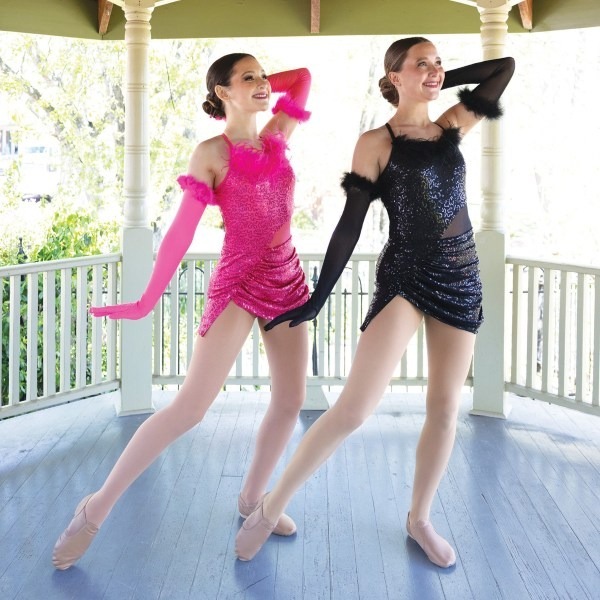
Dance is a language of the body, but dance costumes are the visual vocabulary that helps that language speak clearly. From classical traditions passed down through generations to contemporary performances shaped by modern culture, dance costumes play a vital role in how movement is perceived, understood, and remembered. They are not merely outfits worn on stage; they are carefully designed elements that enhance expression, support technique, and reflect identity. In this blog, we explore the world of dance costumes in depth—examining their purpose, evolution, cultural importance, materials, and how the right costume can transform a performance.
The Purpose of Dance Costumes in Performance
At their core, dance costumes serve multiple purposes simultaneously. First, they visually define the theme or story of a performance. Whether a dancer is portraying a mythical character, expressing an abstract emotion, or celebrating a cultural ritual, the costume sets the context before a single step is taken.
Second, dance costumes are designed to complement movement. The cut, fabric, and fit must allow complete freedom of motion while highlighting body lines, spins, jumps, and gestures. A well-designed costume enhances posture and flow, making movements appear more fluid and intentional.
Finally, costumes help distinguish dancers on stage. In group performances, coordinated dance costumes create unity, while subtle variations can highlight soloists or lead performers. This visual organization helps the audience follow complex choreography with ease.
Evolution of Dance Costumes Over Time
Dance costumes have evolved alongside dance itself. In ancient civilizations, dancers often wore ceremonial garments made from natural fibers, shells, beads, or metals. These costumes were deeply symbolic and often linked to rituals, storytelling, or worship.
As classical dance forms developed, costumes became more structured and codified. Traditional styles such as ballet introduced fitted bodices, tutus, and soft fabrics that emphasized grace and symmetry. In contrast, folk and cultural dances preserved regional attire, using traditional textiles, embroidery, and colors that reflected local heritage.
The modern and contemporary dance movements brought a significant shift. Dance costumes became simpler, more experimental, and sometimes minimalist. Designers began prioritizing comfort, abstraction, and individuality, allowing costumes to reflect personal expression rather than strict tradition.
Cultural Significance of Dance Costumes
Dance costumes often carry deep cultural meaning. In many traditional dance forms, each element of the costume—from color to jewelry—has symbolic value. Certain colors may represent emotions, seasons, or spiritual concepts, while specific patterns or accessories may indicate a character’s role or status.
Preserving traditional dance costumes is also a way of preserving cultural identity. As dance is passed from one generation to the next, costumes act as visual records of history, craftsmanship, and community values. Even when adapted for modern stages, traditional costumes continue to honor their origins.
At the same time, cultural fusion has influenced contemporary dance costumes. Designers now blend traditional motifs with modern silhouettes, creating costumes that respect heritage while appealing to global audiences.
Types of Dance Costumes Across Styles
Different dance styles demand different costume designs. Ballet costumes are known for their elegance and structure, often using soft tulle, satin, and pastel shades to create a dreamlike effect. The focus is on clean lines and balance, enhancing the dancer’s technique.
Hip-hop dance costumes prioritize comfort and attitude. Loose-fitting clothing, bold colors, and layered pieces allow for sharp, dynamic movements while reflecting street culture and individuality.
Classical and folk dance costumes are typically more elaborate. They may include detailed embroidery, vibrant colors, and traditional accessories that emphasize rhythm and storytelling. These costumes are designed to be visually striking even from a distance.
Contemporary dance costumes often challenge convention. Neutral tones, asymmetrical cuts, and stretch fabrics are common, allowing dancers to explore emotional depth and experimental choreography without visual distraction.
Fabric and Material Choices in Dance Costumes
The choice of fabric is one of the most critical aspects of dance costume design. Materials must be breathable, flexible, and durable enough to withstand intense movement and repeated use. Stretch fabrics such as spandex and lycra are popular for their ability to move with the body.
For classical and traditional dance costumes, natural fabrics like cotton, silk, and chiffon are often preferred for their texture and elegance. These materials drape beautifully and add softness to movements.
Designers also consider how fabrics react to stage lighting. Shimmering materials can enhance visibility, while matte finishes create a more subtle effect. The right fabric ensures that the costume looks as good under bright lights as it does up close.
The Role of Color and Design
Color plays a powerful role in dance costumes. Bright colors energize performances and capture attention, while muted tones create intimacy and emotional depth. Costume designers carefully select color palettes to match the mood, music, and theme of the dance.
Design elements such as patterns, cuts, and embellishments further enhance the visual impact. Strategic use of lines can elongate the body, while flowing layers can emphasize turns and jumps. Every design choice is intentional, working in harmony with choreography.
Comfort, Fit, and Functionality
No matter how beautiful a costume looks, it must first and foremost be comfortable. Poorly fitted dance costumes can restrict movement, distract performers, and even cause injury. Professional costume design involves precise measurements and testing to ensure a secure yet flexible fit.
Functional details such as reinforced seams, adjustable straps, and secure fastenings are essential. Dancers must feel confident that their costume will stay in place during demanding routines.
Custom vs Ready-Made Dance Costumes
Custom-made dance costumes offer the advantage of personalization. They are designed specifically for a dancer’s body, performance theme, and choreography. This results in a unique look that enhances confidence and stage presence.
Ready-made dance costumes, on the other hand, are more accessible and budget-friendly. They are ideal for practice sessions, beginner performances, or large groups where uniformity is required. With careful selection, ready-made options can still deliver impressive visual results.
Maintaining and Caring for Dance Costumes
Proper care extends the life of dance costumes and keeps them performance-ready. Many costumes require gentle hand washing or professional cleaning to preserve fabric quality and color. Storing costumes in breathable garment bags helps prevent damage and odor buildup.
Regular inspections for loose threads, missing embellishments, or fabric wear ensure that costumes remain safe and presentable for the stage.
The Emotional Impact of Dance Costumes
Beyond aesthetics and function, dance costumes have an emotional impact on performers. Wearing the right costume can help dancers step into character, build confidence, and connect more deeply with their performance. Costumes act as a bridge between the dancer’s inner expression and the audience’s experience.
For audiences, dance costumes create lasting impressions. They contribute to the magic of the performance, making movements memorable and stories visually compelling.
Conclusion
Dance costumes are an essential part of the art of dance. They combine creativity, culture, and functionality to support movement and storytelling. From traditional attire rich in heritage to modern designs that push boundaries, dance costumes continue to evolve while remaining deeply connected to the soul of performance. Choosing the right costume is not just about appearance—it is about enhancing expression, honoring tradition, and bringing dance to life on stage.