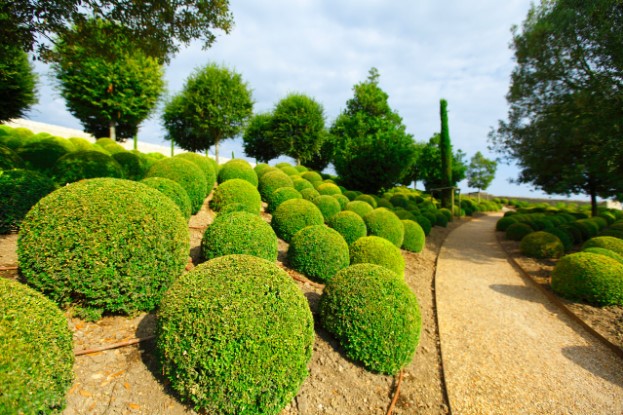
Evergreen shrubs are a cornerstone of well-designed landscapes because they provide structure, year-round color, and easy maintenance. Among the most popular choices for home gardeners is Japanese boxwood, valued for its dense foliage and adaptability. When planning a low-maintenance yet elegant garden, incorporating Japanese boxwood into your design strategy can help create clean lines, defined borders, and long-lasting visual appeal throughout the seasons.
Understanding Japanese Boxwood
Japanese boxwood is a compact evergreen shrub known for its small, glossy green leaves and naturally rounded growth habit. It is commonly used for hedges, borders, foundation plantings, and formal garden designs. This shrub thrives in a wide range of climates and tolerates pruning exceptionally well, making it ideal for both beginner and experienced gardeners.
One of its biggest advantages is its slow-to-moderate growth rate. This allows gardeners to maintain shape and size with minimal trimming while still achieving a polished, professional look.
Choosing the Right Planting Location
Selecting the proper location is essential for healthy growth. Japanese boxwood performs best in areas that receive partial sun to full sun, although it can tolerate light shade. Ideally, plants should receive at least four to six hours of sunlight daily to maintain dense foliage.
Soil quality also matters. Well-drained soil is crucial, as boxwood does not tolerate standing water. Slightly acidic to neutral soil supports optimal root development and overall plant health.
Soil Preparation Tips
Before planting, loosen the soil and mix in organic matter such as compost. This improves drainage while providing essential nutrients. Avoid heavy clay soil unless it is amended properly, as poor drainage can lead to root problems over time.
Proper Planting Techniques
Spacing plays an important role when planting Japanese boxwood in hedges or borders. Plants should be spaced far enough apart to allow air circulation while still forming a cohesive appearance as they mature. Dig a hole that is twice as wide as the root ball but no deeper, ensuring the top of the root ball sits level with the soil surface.
After planting, water thoroughly to eliminate air pockets and help roots settle into the surrounding soil.
Watering and Fertilization
Consistent watering is especially important during the first growing season. Water deeply once or twice a week, depending on weather conditions, to encourage strong root development. Once established, Japanese boxwood becomes relatively drought-tolerant but still benefits from occasional deep watering during dry periods.
Fertilize in early spring with a balanced, slow-release fertilizer. Avoid over-fertilization, as excessive nutrients can lead to weak growth and increased susceptibility to pests.
Pruning and Maintenance
Pruning helps maintain shape and encourages dense foliage. Light trimming can be done in late spring or early summer. Avoid heavy pruning late in the season, as new growth may not harden before winter. Regular inspection for pests and diseases also ensures long-term plant health.
Seasonal Care and Protection
Mulching around the base of the shrub helps regulate soil temperature, retain moisture, and suppress weeds. In colder regions, mulch also protects roots from temperature fluctuations. During winter, Japanese boxwood may experience slight leaf bronzing, which is normal and typically resolves in spring.
In one of the final stages of garden planning, Japanese boxwood often serves as a unifying element, tying together walkways, flower beds, and architectural features with consistent greenery.
Conclusion
Growing Japanese boxwood successfully comes down to proper placement, soil preparation, consistent care, and thoughtful maintenance. When these elements are in place, this versatile shrub delivers long-lasting beauty and structure to any landscape. For gardeners looking to enhance their outdoor spaces, exploring quality plants for sale ensures access to healthy specimens that establish quickly and perform reliably for years to come.