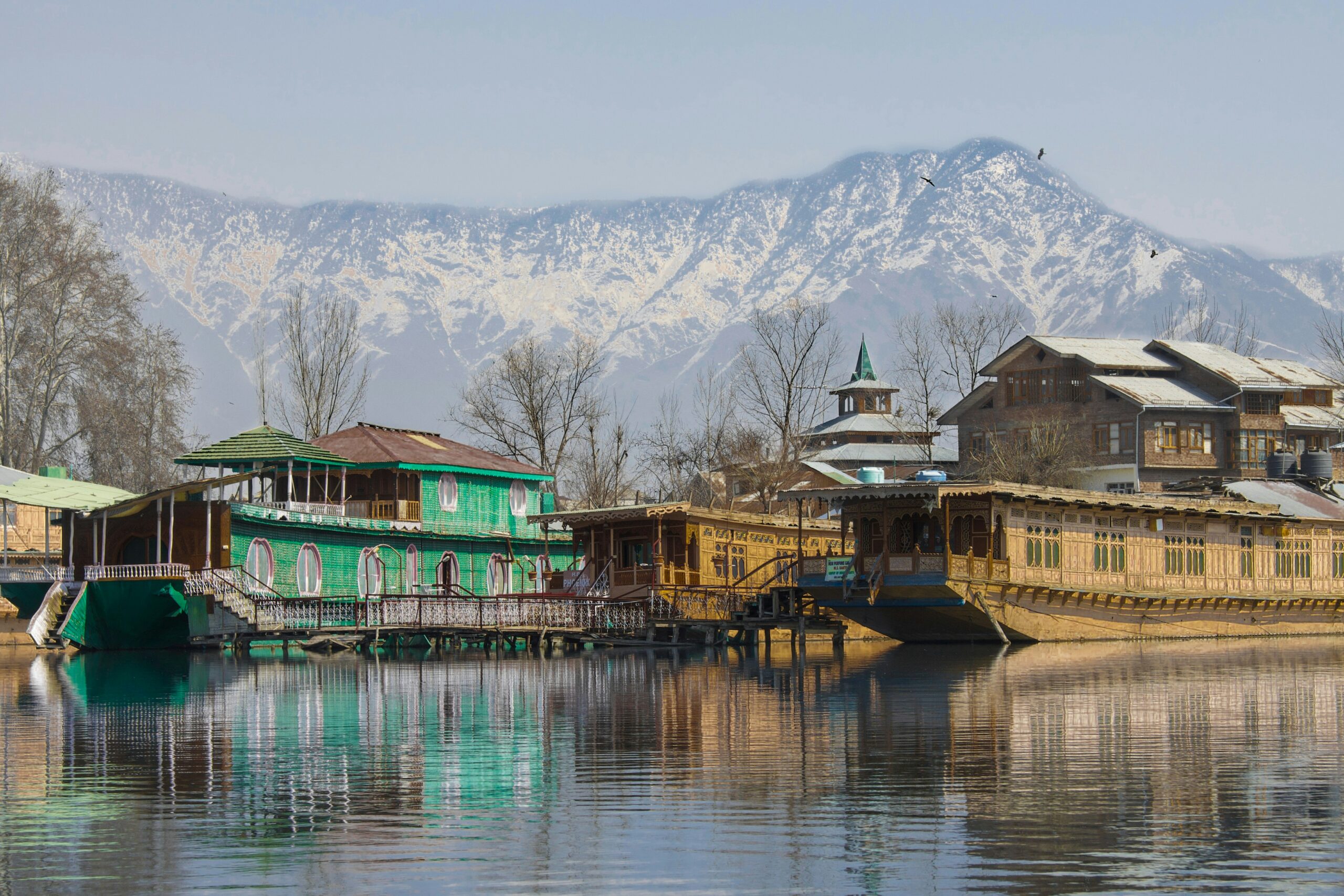
I had heard people call the Kashmir Great Lakes trek “unreal,” “heavenly,” and “once-in-a-lifetime.” Honestly, I thought it was overhyped—until I actually did it. This trek is not just about walking from one campsite to another; it’s about watching Kashmir slowly unfold in front of you, lake by lake, meadow by meadow. If you’re planning this trek and want a clear, no-nonsense itinerary that actually helps, this guide is for you.
Quick Overview of the Trek
-
Duration: 7 days
-
Distance: ~75 km
-
Difficulty: Moderate to difficult
-
Maximum altitude: ~13,800 ft (Gadsar Pass)
-
Best time: July to September
-
Start point: Srinagar
-
End point: Naranag
This trek demands decent fitness, but you don’t need technical climbing skills. What you do need is stamina, mental readiness, and respect for the mountains.
Day 1: Arrival in Srinagar
I reached Srinagar a day early, and I highly recommend doing the same. This day is all about acclimatization and getting your gear sorted. Srinagar itself is beautiful—Dal Lake, quiet roads, and that calm mountain air that tells you something special is coming.
If you’re trekking with an experienced group (I went with Searching Souls, mostly because of their strong Kashmir operations and local connect), this is usually the day for briefing, gear check, and last-minute shopping. Nothing fancy, just practical preparation.
Day 2: Srinagar to Sonamarg to Nichnai
-
Drive: ~3 hours
-
Trek: ~11 km
The drive to Sonamarg already feels like the trek has begun. Once we started walking, the scenery changed fast—rolling meadows, sheep grazing, and snow patches even in peak summer.
The climb to Nichnai isn’t brutal, but it tests your breathing. I remember slowing my pace intentionally here. Rushing on day one is a mistake. Nichnai campsite sits in a wide valley, often cold and windy, but incredibly scenic. This is where you first realize how far away city life already feels.
Day 3: Nichnai to Vishansar Lake via Nichnai Pass
-
Trek: ~12 km
-
Highlight: Nichnai Pass (13,500 ft)
This was the first real “wow” day for me. Crossing Nichnai Pass felt like stepping into a postcard. On one side, you have rugged terrain; on the other, lush green slopes rolling endlessly.
As you descend, Vishansar Lake suddenly appears—deep blue, perfectly still, reflecting the sky. I stood there quietly for a long time. No photos, no talking. Just taking it in.
Camping near Vishansar is cold at night, but mornings here are pure magic.
Day 4: Vishansar to Gadsar via Gadsar Pass
-
Trek: ~14 km
-
Highest point: Gadsar Pass (13,800 ft)
This is the toughest day of the trek, no question. The climb to Gadsar Pass is long and steep, often covered in snow early in the season. But every step is worth it.
From the top, you see Krishansar Lake below and, later, Gadsar Lake, which honestly felt unreal—emerald green, surrounded by wildflowers and cliffs. This area is known for its untouched beauty, and I understood why.
By the time we reached the campsite, I was exhausted but deeply satisfied. This day pushes you physically and rewards you emotionally.
Day 5: Gadsar to Satsar
-
Trek: ~9 km
Compared to the previous day, this one feels gentler. The trail passes a series of small alpine lakes collectively called Satsar (seven lakes, though you may see more or fewer depending on the season).
This stretch feels quiet and isolated. No villages, no roads—just water, grass, and sky. I found myself walking slowly, not because I was tired, but because I didn’t want it to end.
Day 6: Satsar to Gangbal via Zaj Pass
-
Trek: ~11 km
Crossing Zaj Pass opens up views of Mount Harmukh, a peak that dominates the skyline here. The descent leads to Gangbal Lake, the largest and arguably the most dramatic lake of the trek.
Gangbal feels powerful. The wind, the vastness, the reflection of Harmukh—it all hits differently. This was my favorite campsite, hands down. We spent the evening sitting by the lake, barely talking, just listening to the wind.
Day 7: Gangbal to Naranag and Return to Srinagar
-
Trek: ~13 km
-
Drive back: ~2 hours
The final descent to Naranag goes through forests and open meadows. Knees take a beating here, but mentally, you’re already reminiscing. Naranag feels like a gentle re-entry into civilization.
From here, we drove back to Srinagar—tired, dusty, and quietly proud.
Fitness and Preparation (Don’t Skip This)
I can’t stress this enough: start preparing at least 4–6 weeks before the trek.
Focus on:
-
Cardio (running, cycling, stair climbing)
-
Leg strength (squats, lunges)
-
Backpack training
This trek is manageable if you respect it. Ignore preparation, and it becomes unnecessarily hard.
Choosing the Right Trek Operator
Kashmir is sensitive terrain—logistically and environmentally. Going with a team that understands local conditions makes a real difference. I trekked with Searching Souls, and what stood out was their calm execution kashmir great lakes trek package, local staff, and how smoothly things ran without overdoing anything. It never felt commercial, just well-organized and responsible.