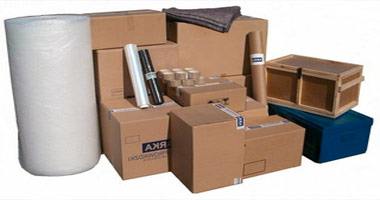
Inclusive packaging is no longer optional. Many customers experience the world through heightened senses. Because of this, unboxing can bring stress instead of joy. Thoughtful design can change that experience. Sensory-aware packaging respects comfort, safety, and emotional well-being.
Understanding Sensory Sensitivity and Customer Needs
Sensory sensitivity affects how people respond to sound, light, touch, smell, and visual clutter. Many individuals on the autism spectrum live with these sensitivities. Others may experience them due to anxiety, PTSD, ADHD, or age-related changes. Because of this, packaging plays a larger role than many brands expect.
When a customer opens a package, several sensory triggers can appear at once. Bright colors may overwhelm the eyes. Loud tearing sounds may cause distress. Strong odors from inks or adhesives may linger. Rough textures may feel uncomfortable on the skin. Each of these elements can create anxiety during unboxing.
However, sensory sensitivity is not the same for everyone. Some customers dislike sharp noises. Others struggle with visual overload. Many feel stressed by unpredictability. Therefore, inclusive packaging focuses on reducing extremes. It aims to create calm, predictable, and gentle experiences.
From my research work, customers value feeling understood. When packaging respects their needs, trust grows. This trust often leads to repeat purchases. Inclusive design also shows social responsibility. It tells customers the brand listens carefully.
Designers must begin by learning. Listening to sensory-sensitive voices is essential. User testing with diverse participants reveals hidden issues. Small changes often make a big difference. Soft textures, clear instructions, and quiet opening methods help many people.
Inclusive packaging benefits more than one group. Elderly customers, children, and stressed buyers also enjoy calmer unboxing. Therefore, sensory-friendly design supports a wider audience. It improves overall satisfaction while reducing frustration.
The Role of Calm Visual Design in Packaging
Visual design strongly influences emotional response. For sensory-sensitive customers, cluttered packaging can feel overwhelming. Busy graphics demand attention from every direction. This can cause stress even before the package is opened.
Calm visual design focuses on simplicity. Fewer colors help the eyes rest. Muted tones feel safer than neon shades. Soft contrasts prevent harsh visual jumps. When colors work together gently, the package feels balanced.
Typography also matters. Clear fonts improve readability. Decorative text may look attractive but often confuses readers. Large spacing between letters helps processing. Simple layouts guide the eye smoothly. This reduces cognitive load during unboxing.
Consistency creates comfort. Predictable placement of logos and text helps customers know what to expect. When information appears where it should, anxiety lowers. Clear labeling also supports accessibility. It helps customers quickly find what they need.
Many brands now use minimalistic layouts. This trend supports sensory inclusion. White space is not empty space. Instead, it offers breathing room. It allows the mind to relax. Research shows that calm visuals improve focus and satisfaction.
Packaging designers should test designs under different lighting conditions. Glare can increase discomfort. Matte finishes often feel gentler than glossy ones. Avoiding reflective surfaces helps reduce visual strain.
In my professional experience, visual calm does not reduce brand identity. Instead, it strengthens it. A confident brand does not need to shout. Calm design communicates care, intention, and respect for the customer.
Managing Sound and Texture During Unboxing
Sound is one of the most overlooked sensory triggers in packaging. Loud tearing, popping, or cracking noises can cause distress. For sensory-sensitive customers, these sounds feel sudden and invasive. Therefore, managing sound is essential.
Packaging materials should open quietly. Smooth pull tabs reduce tearing sounds. Avoiding thick plastic layers also helps. Soft paper-based solutions often create less noise. Engineers can test materials for decibel levels during opening.
Texture plays an equally important role. Rough surfaces may irritate sensitive skin. Sharp edges may cause discomfort or fear. Soft-touch coatings feel calming and safe. Rounded edges prevent unexpected sensations.
Thoughtful layering improves comfort. Instead of tightly packed materials, allow gentle separation. Easy-open designs reduce struggle. Less force means less noise and less frustration. Clear opening instructions also help guide movement.
Brands should consider hand feel during every step. The first touch sets expectations. A smooth exterior creates trust. Interior materials should match that feeling. Consistency reduces surprise.
Packaging designers must balance protection and comfort. Products still need safety during transit. However, protection does not require harsh materials. Innovation allows strength with softness.
From field studies, customers often remember how a package made them feel. Quiet and gentle unboxing creates positive memories. These memories influence brand loyalty. Reducing sound and improving texture supports emotional comfort.
Predictability and Clear Guidance for Reduced Anxiety
Uncertainty increases anxiety for sensory-sensitive individuals. When packaging feels unpredictable, stress rises quickly. Clear guidance helps reduce that feeling. Predictability allows customers to prepare mentally.
Instructions should appear early and clearly. Simple language works best. Short sentences reduce confusion. Visual icons can support understanding. When steps are clear, customers feel in control.
Opening mechanisms should be obvious. Hidden seals cause frustration. Unexpected resistance increases stress. Designers should make entry points visible. Arrows or tabs guide movement gently.
Consistent structure also helps. When customers know where to start, they relax. Familiar layouts create comfort. This is especially important for subscription boxes or repeat purchases.
Labels should explain what materials are inside. Transparency builds trust. Customers appreciate knowing what they will touch next. This reduces surprise reactions.
Predictable packaging also supports safety. Customers with motor difficulties benefit from clear guidance. Reduced struggle prevents accidents. Inclusive design considers these needs together.
From my research experience, predictability improves confidence. Customers feel respected when brands anticipate their concerns. This emotional connection strengthens loyalty. Clear guidance shows empathy in action.
Material Choices That Support Sensory Comfort
Material selection affects every sensory experience. Smell, touch, and sound all depend on materials. Sensory-sensitive customers often react strongly to chemical odors. Therefore, low-odor materials are essential.
Natural fibers often feel calmer. Recycled paper with minimal processing reduces smell. Avoiding heavy inks and adhesives also helps. Water-based inks are gentler than solvent-based options.
Temperature sensitivity also matters. Cold plastics may feel uncomfortable. Paper-based materials feel warmer to the touch. This small difference can influence comfort significantly.
Flexibility improves experience. Rigid materials may feel harsh. Slightly flexible structures adapt better to touch. They also reduce noise during handling.
Durability remains important. Packaging must still protect products during shipping. However, innovation allows balance. Modern materials combine strength with sensory comfort. Even Shipping Packaging Boxes can evolve through better material choices without increasing distress.
Sustainable materials also support emotional comfort. Many sensory-sensitive customers value ethical practices. Knowing materials are eco-friendly reduces guilt and stress. Transparency about sourcing builds trust.
In my professional work, material testing reveals surprising results. Small changes create big emotional shifts. Brands that invest in sensory-friendly materials often see positive feedback. Comfort becomes part of the brand promise.
Inclusivity Through Accessibility and Universal Design
Inclusive packaging supports more than sensory needs. Universal design considers everyone. Accessibility benefits people with disabilities, injuries, or temporary limitations. Sensory-friendly features often improve overall usability.
Easy-open designs help customers with limited strength. Clear text supports those with visual challenges. Tactile markers assist navigation. These features also reduce sensory overload.
Inclusive packaging avoids unnecessary complexity. Simplicity supports clarity. When customers understand packaging quickly, stress decreases. Universal design focuses on removing barriers rather than adding features.
Accessibility testing should involve diverse users. Real feedback reveals hidden challenges. Designers must listen carefully. Assumptions often fail without testing.
Brands that prioritize inclusivity show leadership. Customers notice this effort. It builds credibility and trust. Inclusive values align with modern expectations.
From my experience, universal design reduces complaints. It also lowers return rates. Customers feel empowered instead of frustrated. Inclusivity becomes a competitive advantage.
Communicating Care Without Overstimulating
Communication through packaging should feel calm. Too much information overwhelms. Too little causes confusion. Balance is key for sensory-sensitive customers.
Use simple language. Avoid jargon. Short sentences improve clarity. Gentle tone reduces pressure. Customers should feel guided, not rushed.
Visual hierarchy helps communication. Important details appear first. Secondary information stays subtle. This prevents overload while maintaining transparency.
Avoid aggressive marketing messages. Loud claims increase stress. Calm reassurance works better. Let quality speak quietly.
Color cues can guide attention gently. Soft highlights work better than bold contrasts. This approach supports focus without strain.
In my writing and research, customers respond positively to calm communication. They feel respected. They feel safe. This emotional safety encourages engagement.
Testing, Feedback, and Continuous Improvement
Inclusive packaging requires ongoing effort. Sensory needs vary widely. Continuous testing helps adapt designs effectively.
Feedback channels should be easy to access. Encourage honest responses. Listen without defensiveness. Customer insights drive improvement.
Prototypes should undergo sensory testing. Observe reactions closely. Note discomfort signals. Adjust accordingly.
Data supports better decisions. Track complaints related to packaging. Identify patterns. Small changes often solve recurring issues.
Continuous improvement shows commitment. Customers appreciate brands that evolve. Inclusivity becomes a living practice, not a marketing claim.
From professional experience, long-term success comes from listening. Sensory-sensitive customers become loyal advocates. Thoughtful packaging creates lasting relationships.
Inclusive unboxing is not about perfection. It is about care, learning, and respect. When packaging feels safe, customers feel valued.
Conclusion
Inclusive packaging is a meaningful step toward respectful customer experiences. Sensory-sensitive customers often face challenges that others do not notice. When brands design with care, unboxing becomes calm instead of stressful. This shift supports emotional comfort and trust.
Thoughtful choices in visuals, materials, sound, and structure reduce overload. Clear guidance and predictable layouts help customers feel in control. These details may seem small, but their impact is lasting. Inclusive design shows empathy through action.
From research and real-world practice, sensory-aware packaging benefits everyone. It improves satisfaction, reduces frustration, and builds loyalty. Brands that listen, test, and improve continuously stand out with integrity.
Packaging is often the first physical touchpoint. When it respects sensory needs, it sends a powerful message. Inclusivity is not only good design. It is responsible, human-centered business practice.
Click Here to Get Below Link: https://ibexpackaging.com/custom-shipping-boxes/