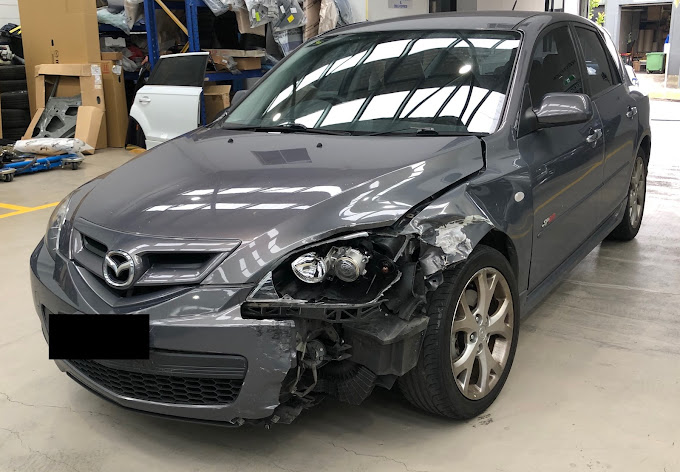
Responsible vehicle disposal on the Sunshine Coast involves a structured recycling process that protects the region’s unique coastal environment while fulfilling Queensland’s legal requirements. Whether you are in Noosa, Maroochydore, or Caloundra, dealing with an end-of-life vehicle (ELV) requires more than just calling a tow truck. Leaving a car to deteriorate on your property leads to soil contamination and potential fines from the Sunshine Coast Council.
To dispose of a scrap car correctly, you must navigate 5 specific stages: verifying ownership, clearing personal data, removing number plates, choosing an EPA-compliant recycler, and finalising TMR paperwork. This guide details the factual steps necessary to turn your unwanted vehicle into recycled resources safely and legally.
1. Verify Legal Ownership and Identification
In Queensland, selling a vehicle for scrap or parts requires the seller to provide valid government-issued identification to prevent the trade of stolen property. Licensed motor dealers and auto wreckers operate under strict “Cash for Scrap” laws that mandate the recording of every transaction.
Valid identification documents include:
-
A current Queensland Driver’s Licence
-
An Australian Passport
-
A formal Proof of Age card
Proof of vehicle ownership is established through:
-
Current or expired registration certificates
-
A formal bill of sale or purchase receipt
-
Insurance documentation in your name
If the vehicle belongs to a deceased estate or a third party, you must provide a signed letter of authorisation or legal probate documents. Ensuring you have these 3 items—ID, ownership proof, and the vehicle keys—prevents delays when the collection team arrives.
2. Conduct a Final Sweep for Personal Belongings
Vehicles act as mobile storage units, and important items are often left in hidden compartments before a car is towed away. On the Sunshine Coast, many residents forget to remove electronic devices that are linked to their bank accounts or personal identity.
Check these 5 common areas for forgotten items:
-
The Windscreen: Remove your Linkt or E-Toll tag. If left in the car, you remain liable for toll charges on the Gateway or Logan Motorway during the car’s transport.
-
The Glove Box: Retrieve old insurance papers, service manuals, and registration labels.
-
Under the Seats: Search for dropped coins, jewellery, and mobile phones.
-
The Boot Well: Remove personal tools, spare tyres, or emergency roadside kits you wish to keep.
-
The Sun Visors: Check for fuel receipts, garage remotes, and sunglasses.
By clearing the cabin thoroughly, you protect your privacy and ensure that the recycling process does not destroy valuable personal property.
3. Manage Number Plates and TMR Obligations
Returning your number plates to the Department of Transport and Main Roads (TMR) is a mandatory step to cancel your registration and stop your legal liability for the vehicle. Once the plates are surrendered, you are eligible for a pro-rata refund on the remaining months of your registration and CTP insurance.
| Task | Responsible Party | Location |
| Remove Plates | Vehicle Owner | Your Driveway/Property |
| Lodge Form F3517 | Vehicle Owner | Maroochydore or Nambour TMR |
| Surrender Plates | Vehicle Owner | TMR Customer Service Centre |
| Notice of Disposal | Vehicle Owner | Online via TMR Portal |
To cancel the registration, take your plates to the Maroochydore TMR office at 5 Kelly Court, Buderim, or the Nambour TMR office on Old Bruce Highway. If your vehicle has 6 months of registration remaining, you could receive a refund of over $300, making this a financially vital step.
4. Prioritise EPA-Compliant Environmental Disposal
Choosing a recycler that follows environmental protection protocols prevents toxic chemicals from leaching into the Sunshine Coast’s waterways, such as the Maroochy River or Pumicestone Passage. A vehicle contains several litres of hazardous fluids that require professional handling.
The de-pollution process managed by experts like Cash For All Car Brands involves:
-
Fluid Extraction: Draining engine oil, transmission fluid, brake fluid, and radiator coolant for safe disposal.
-
Battery Recovery: Extracting lead-acid batteries to prevent lead and acid from entering the soil.
-
Tyre Recycling: Shredding old tyres for use in 3 main industries: road construction, playground surfacing, and civil engineering.
-
Metal Reclamation: Compacting the steel and aluminium chassis to be melted down and repurposed for new manufacturing.
A professional wrecker ensures that up to 95% of the vehicle’s weight is recycled, significantly reducing the carbon footprint associated with mining new iron ore.
5. Maximise the Financial Return for Your Scrap Car
The value of a scrap car is determined by the weight of the metal, the condition of the spare parts, and the current global price of steel. To get the best price on the Sunshine Coast, provide specific details about the car’s make, model, and mechanical state.
Factors affecting the final cash offer include:
-
Vehicle Size: Heavy 4WDs and commercial vans, such as the Toyota HiAce or Ford Ranger, fetch higher prices due to their significant metal content.
-
Engine Completeness: Vehicles with intact engines and catalytic converters are worth more than those that have been stripped of parts.
-
Location: Most reputable services offer free towing from Noosa to Caloundra, but being in an accessible location for a large tow truck helps the process.
On average, scrap car payouts in the region range from $200 to $9,000. By contacting local specialists like Cash For All Car Brands, you receive an instant quote based on 3 criteria: the car’s weight, its age, and its salvageable component value.
Comparison of Car Disposal Options on the Sunshine Coast
| Feature | Licensed Auto Wrecker | Sunshine Coast Council Tip | Abandonment (Roadside) |
| Payment to You | $200 – $9,000 | None | None (Heavy Fines) |
| Towing Included | Yes (Free) | No | No |
| Paperwork Help | Yes | No | No |
| Environmentally Safe | Yes (Certified) | Yes | No (Illegal) |
visit: https://www.cashforallcarbrands.com.au/cash-for-cars-sunshine-coast/
Summary Checklist for a Smooth Pickup
-
Documentation: Have your QLD driver’s licence and rego papers ready.
-
Personal Effects: Double-check the glove box, boot, and E-Tag.
-
Plate Removal: Unscrew both plates to return them to TMR.
-
Access: Ensure the car is not blocked by other vehicles or debris.
-
Confirmation: Verify the final price and payment method (Cash or Osko) before the car is loaded.
Responsible car disposal is the most efficient way to clear your property, protect the Sunshine Coast environment, and put money back in your pocket. By following these 5 steps, you ensure the transition from “junk car” to “recycled metal” is handled with professional care.