Introduction: Why the Right Connection Matters
In a world powered by electricity and data, even the smallest connection plays a critical role. A crimping tool may look simple, but it is the backbone of reliable wiring—ensuring safety, durability, and performance across industries. From DIY projects to professional electrical installations, this tool quietly does the heavy lifting.
What Is a Crimping Tool?
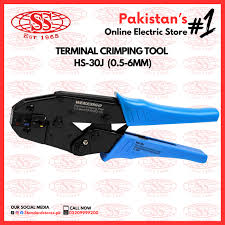
A crimping tool is a hand-operated or powered device used to join connectors to wires by deforming the connector around the conductor. Instead of soldering, crimping creates a solid mechanical bond that resists vibration, heat, and long-term wear.
This method is widely used because it delivers consistent results while saving time and reducing failure risks.
How a Crimping Tool Works
The process is straightforward but precise:
- A stripped wire is inserted into a connector
- The connector is placed into the crimping tool’s jaw
- Pressure is applied until the connector tightly grips the wire
A properly crimped connection forms a gas-tight seal, preventing corrosion and electrical resistance.
Types of Crimping Tools You Should Know
Manual Crimping Tools
Best suited for light-duty tasks, manual tools are affordable, portable, and ideal for home users or small projects.
Ratcheting Crimping Tools
These tools ensure consistent pressure by locking until the crimp is complete. They are favored by professionals for precision and repeatability.
Hydraulic Crimping Tools
Designed for heavy-duty cables, hydraulic crimping tools handle thick wires commonly used in industrial and power applications.
Specialty Crimping Tools
Some crimping tools are built specifically for terminals like RJ45, coaxial connectors, or insulated lugs, offering exact fits and cleaner results.
Common Applications of a Crimping Tool
A crimping tool is used across many fields, including:
- Electrical wiring and panel installations
- Network and data cable assembly
- Automotive wiring harnesses
- Renewable energy systems
- Home improvement and appliance repairs
Wherever wires need strong, lasting connections, tool crimping is essential.
Benefits of Using a Crimping Tool
Reliable Connections
Crimped joints are less likely to loosen over time compared to twisted or taped wires.
Faster Installation
Crimping eliminates waiting time associated with soldering, increasing productivity.
Improved Safety
A secure crimp reduces the risk of overheating, sparks, or electrical failure.
Professional Finish
Well-crimped terminals look clean, organized, and meet industry standards.
How to Choose the Right Crimping Tool
When selecting a crimping tool, consider:
- Wire gauge compatibility
- Connector type
- Frequency of use
- Ergonomic grip and comfort
- Build quality and jaw precision
Choosing the correct tool ensures accuracy and reduces fatigue during repetitive work.
Tips for Perfect Crimping Results
- Always make sure the wiring size or connection size match.
- Avoid over-crimping, which can damage the wire
- Test the connection with a gentle pull
- Use high-quality connectors for long-term reliability
Small details make a big difference in connection strength.
Conclusion: A Small Tool with a Big Impact
The crimping tool may not grab attention, but its impact is undeniable. It creates dependable connections that keep systems running safely and efficiently. Whether you’re a technician, installer, or hands-on learner, investing in the right crimping tool is a step toward better performance and professional-grade results.
Read More Latest Articles: Clicking Here